
AI Strategy Lab: the first edition
Two days, a real company case and a roadmap for adopting AI. How the first edition of AI Strategy Lab worked, hosted at Distilleria Zanin 1895 in May 2026, and how to apply for the next.
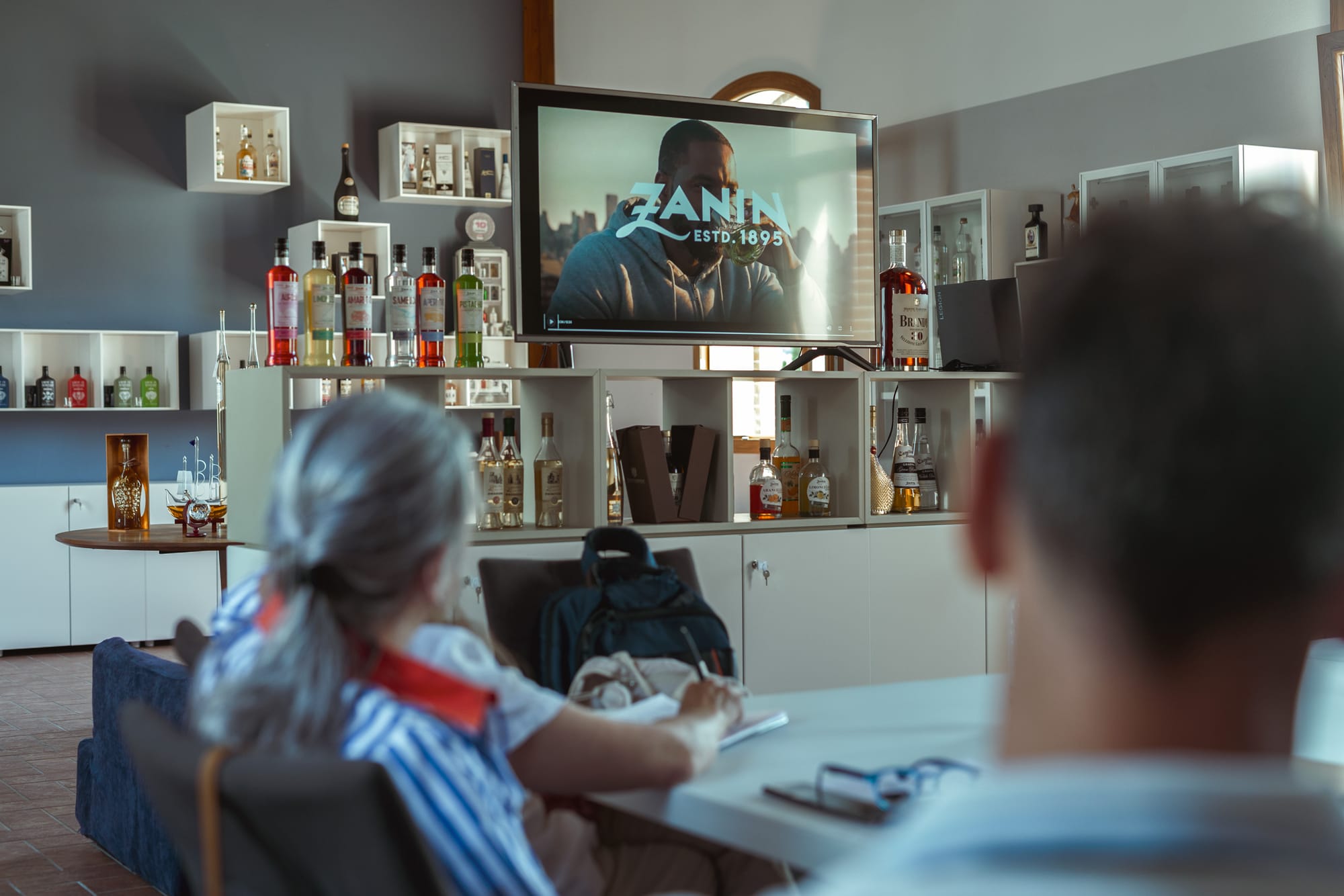
Events · AI Strategy Lab
Two days on a real case, and an AI adoption roadmap for your own company.
- Host
- Distilleria Zanin 1895, first edition, May 2026
- Co-leads
- Othman Tabassi and Youssef DaLima
- Method
- Read the case, locate AI, transfer it, build the roadmap.
Most companies do not lack access to AI tools. They lack a clear view of where those tools fit into their own processes, who should use them and how to measure whether they work. AI Strategy Lab was designed for this gap.
Why a lab, not a course
The effective adoption of a technology depends on how well the people using it understand it. Research on technology acceptance identifies two conditions for a system to be used: that it is perceived as useful and that it is perceived as easy to use.1 Neither can be taught in the abstract. Both depend on seeing the technology at work on one's own problems.
This is why AI Strategy Lab does not start from the tools. It starts from a company: its processes, its data, its decisions. Participants work on a real case and then transfer the method to their own organisation.
How the two days work
The work follows the same principle Siderius applies in its projects: understand the process first, then decide where AI produces a verifiable advantage and where it would only add uncertainty.
- Reading the case. Mapping the processes of a real company, the information that flows through them and the points where decisions are made.
- Locating AI. Distinguishing tasks within the reach of current models from tasks outside it. Experimental evidence shows that generative AI improves speed and quality on the first, and reduces the likelihood of a correct answer on the second.2
- Transferring to one's own company. Each participant applies the same reading to their own processes.
- Building the roadmap. Priorities, responsibilities, measures and the first steps.
What participants take away
- AI Blueprint. A map of where AI can be integrated into the company's processes, and where it should not be.
- 90-day plan. The first concrete steps, with owners and measures.
- Toolkit. Templates and materials to continue the work after the lab.
- Alumni community. A network of owners and managers working on the same questions.
The first edition
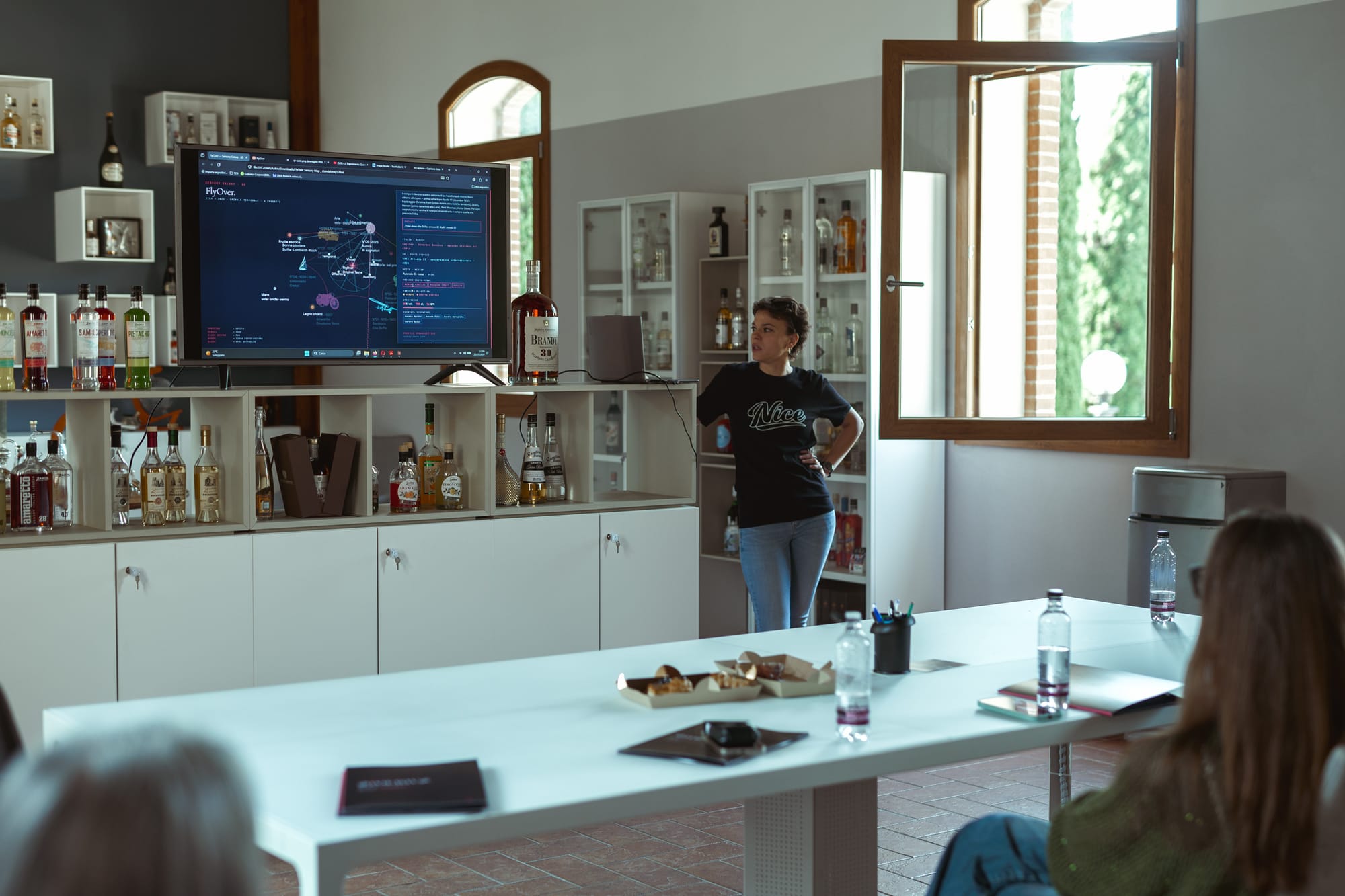
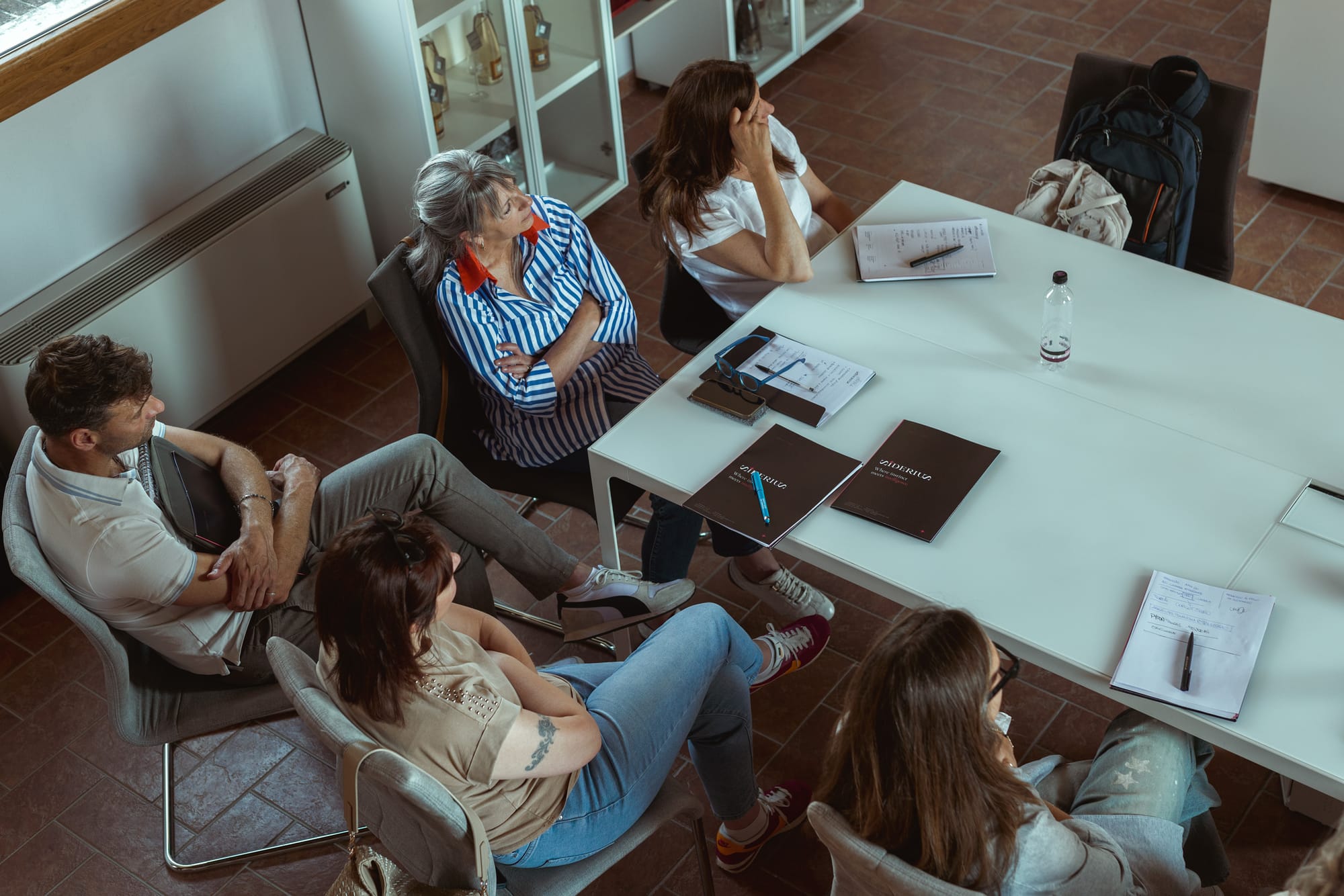
The first edition took place in May 2026 at Distilleria Zanin 1895, a company that has itself worked with Siderius on brand strategy, data infrastructure and packaging compliance. Hosting the lab inside a working company kept the discussion anchored to real processes rather than to examples.
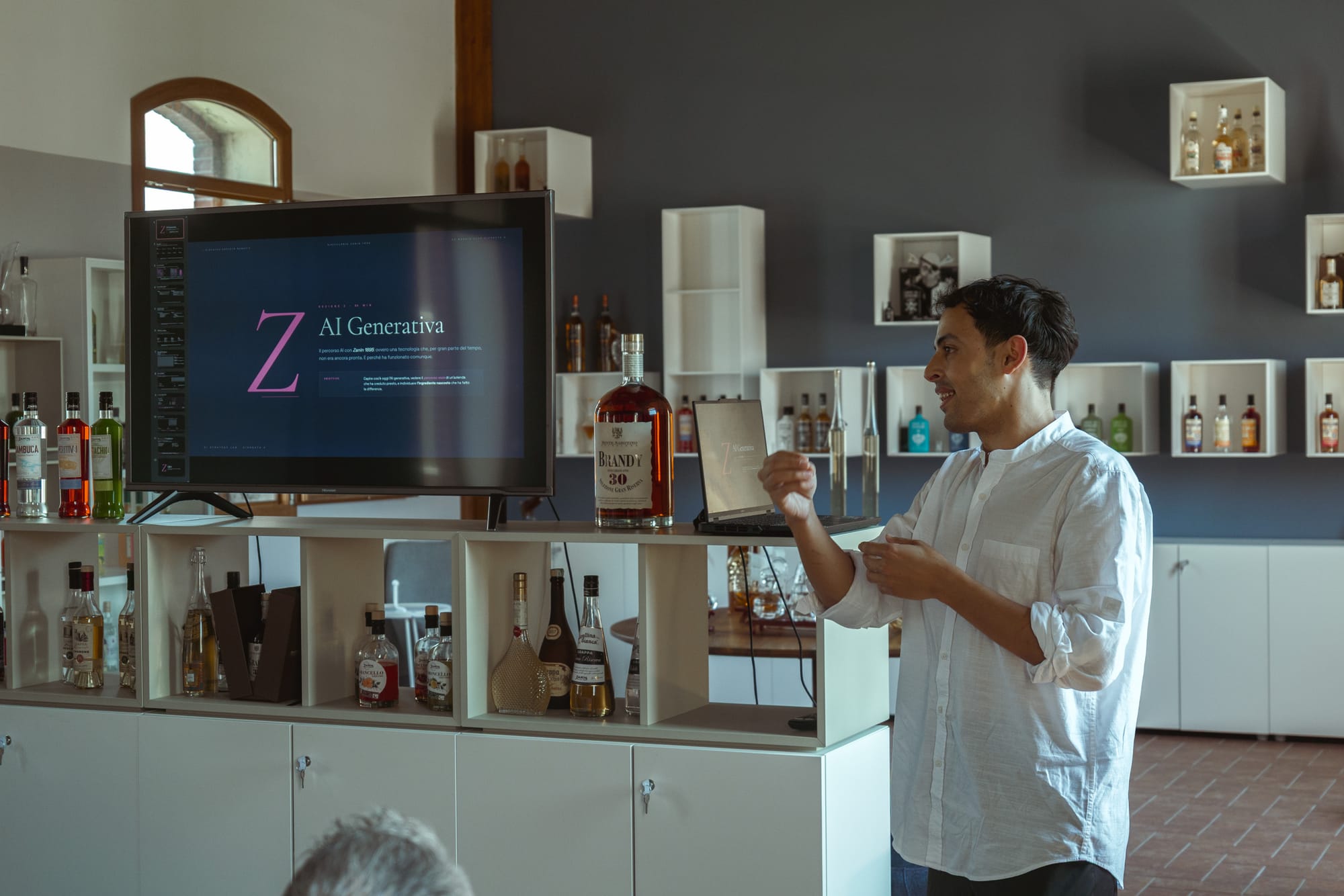
The lab was co-led by Ludovica Corponi together with Othman Tabassi and Youssef DaLima. Onymous Studios, the production studio Youssef DaLima co-founded, is itself a partner in Siderius; he brought the production side of human–machine work into the room: how generative tools change the time, cost and quality of content.
Who teaches
Ludovica Corponi, CEO and co-founder of Siderius. She leads the Synesthetic Design method and the company’s AI strategy work, and has delivered training and consulting for companies and schools since 2020. In the lab she frames the strategic reading of the case and the roadmap that closes the two days. Bio.
Othman Tabassi, co-founder of Siderius, Data & AI Automation. He reads the data, builds the automated workflows and measures where AI produces a verifiable result. In the lab he leads the step that separates tasks within the reach of current models from tasks outside it — the same reading Siderius applies to every client process.
Youssef DaLima, co-founder and creative director of Onymous Studios, the production studio that is a partner in Siderius. He directs short films, commercials and branded content, and brought the production side of human–machine work into the lab: how generative tools change the time, cost and quality of content. Bio.
Part of a wider training activity
Since 2020 the Siderius team has delivered training on artificial intelligence, strategy and communication for companies, institutions and schools. Companies trained by the team include Bisazza, Husqvarna, Kask, Macron, Missoni, Vivienne Westwood, Kemin, Amorim Cork, La Nordica, FaitalPRO, Grisport and Alias Design. Training is part of every Siderius project and is also available as a standalone service.
Apply for the next edition
Places are limited to 15 per edition and assigned by selection. Owners and managers interested in the next edition can find details at aistrategylab.it or write to innovation@adsiderius.com.
Sources
- Davis, F. D. (1989). Perceived Usefulness, Perceived Ease of Use, and User Acceptance of Information Technology. MIS Quarterly, 13(3), 319–340. doi.org/10.2307/249008
- Dell'Acqua, F., McFowland, E., Mollick, E. R., et al. (2023). Navigating the Jagged Technological Frontier: Field Experimental Evidence of the Effects of AI on Knowledge Worker Productivity and Quality. Harvard Business School Working Paper 24-013. ssrn.com/abstract=4573321
Questioning the mind: our workshop at A&T Vicenza
At A&T Vicenza, 27–29 October 2026, Siderius is at the IA Forum, Hall 6, with a workshop on designing the perception of a product with data and AI, and presents Packaging Compliance with Zanin 1895.

Aumentare il territorio: technology for tourism
A workshop on tourism and technology at Villa Fabris, Thiene, on 26 October 2026: immersive storytelling, data between physical and digital, and the perception and memory of an experience.