
Aumentare il territorio: technology for tourism
A workshop on tourism and technology at Villa Fabris, Thiene, on 26 October 2026: immersive storytelling, data between physical and digital, and the perception and memory of an experience.
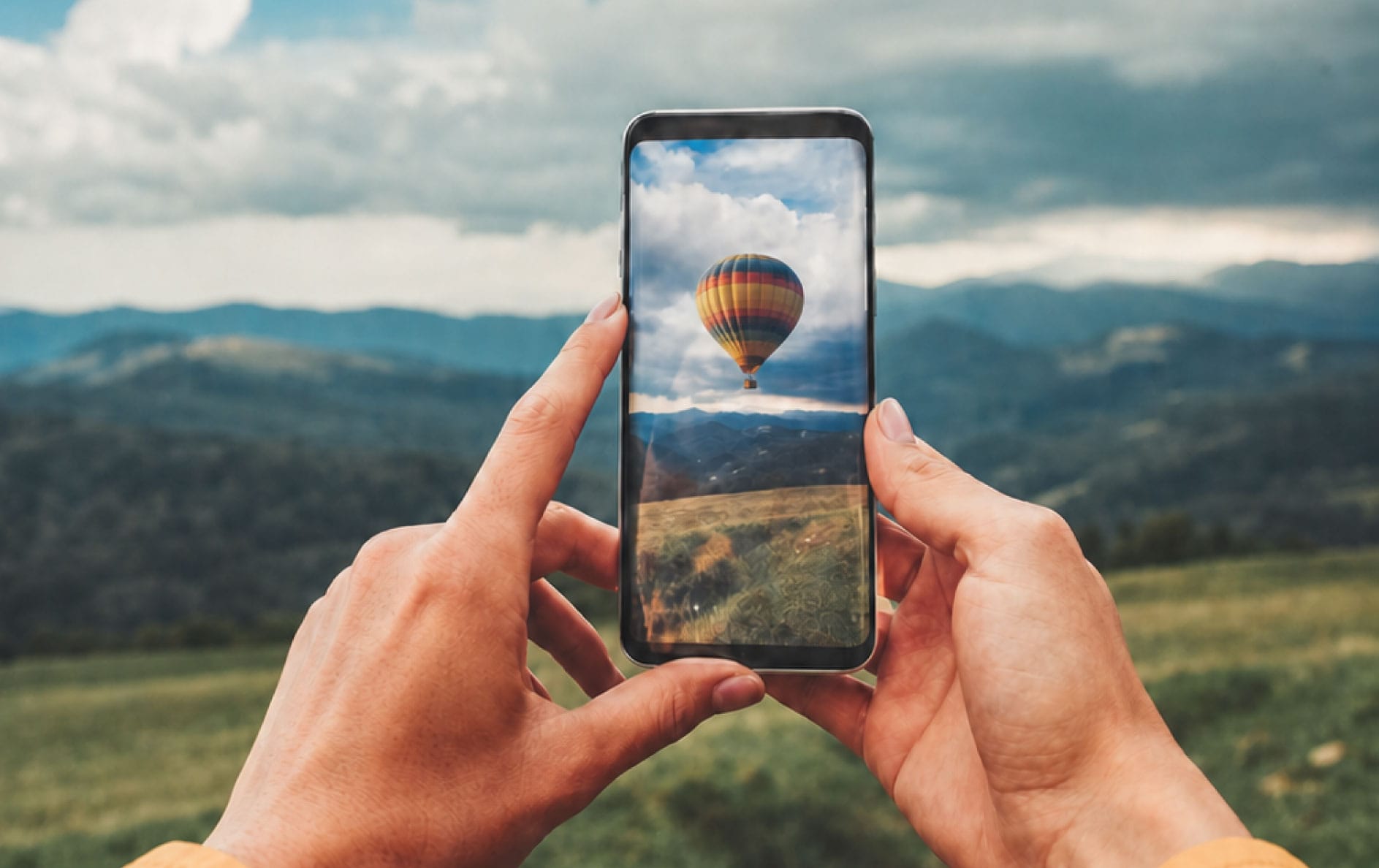
Event · 26 October 2026
Multiply what a place already has, through technology. The skill to choose, the network to sustain.
- For
- Hospitality, wineries, distilleries, breweries, restaurants, company museums, cultural sites
- Speakers
- Siderius, Onymous Studios, Cema Next
- Idea
- No big budgets: a few things done well, and a network to sustain them.
A place is remembered for what people experience there. Technology serves a territory when it makes that experience richer and more memorable, not when it replaces it. This is the thesis of Aumentare il territorio · Investire per valorizzare, “augmenting the territory, investing to enhance it”, a workshop on tourism and technology.
The message is practical. The technology that matters is close at hand: solutions that can be used right away. What counts is not the technology itself but the skill to choose it and, above all, the network that sustains it. No big budgets are needed, only a few things done well.
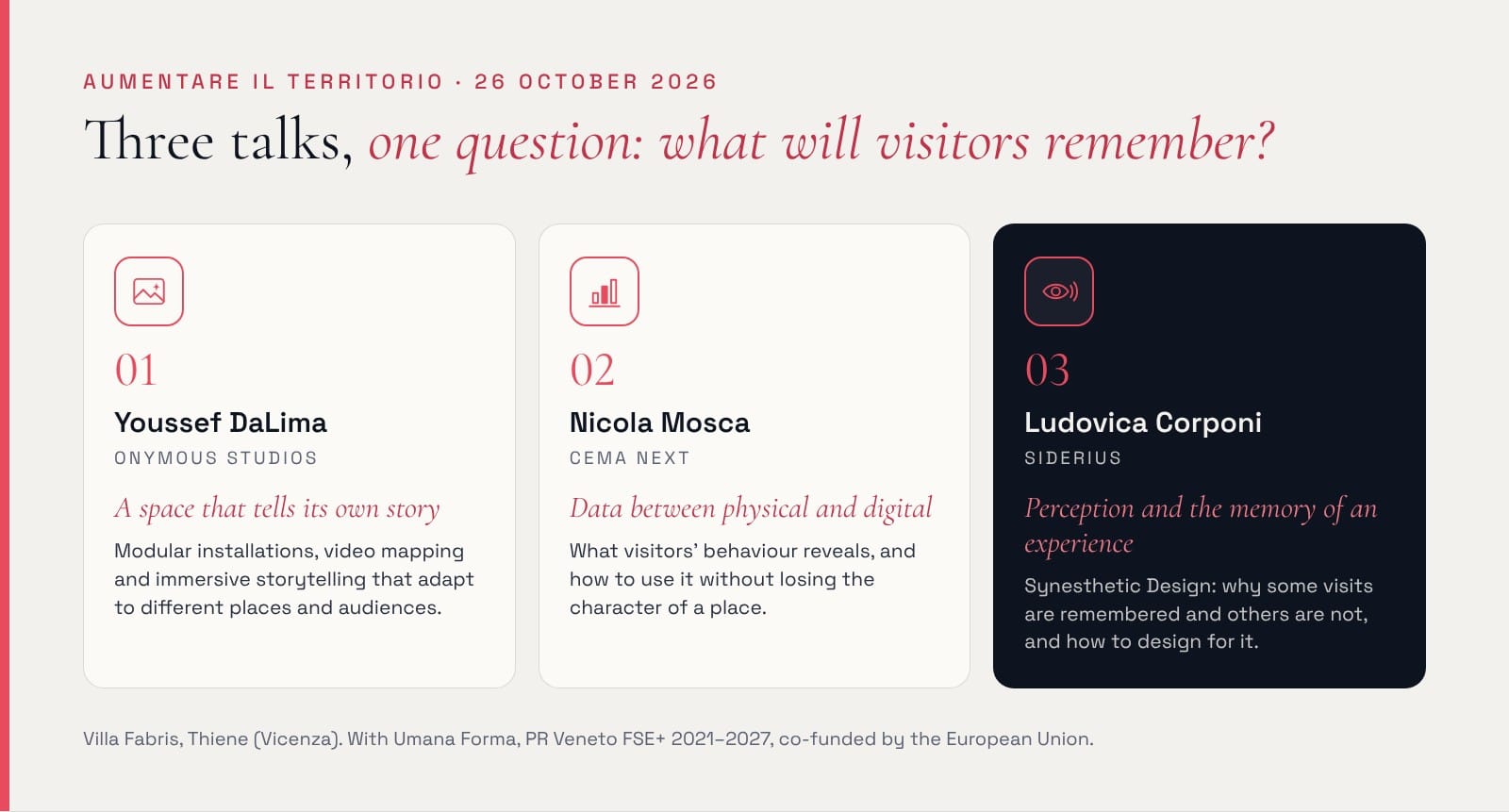
Three talks
How an experience is remembered
An experience is not remembered as the sum of its moments. People’s judgement of an experience depends heavily on its most intense moment and on how it ends, rather than on its length.1 Moments with an emotional charge are consolidated better in long-term memory,2 and the senses work together, through associations between colours, sounds, flavours and shapes that most people share.3
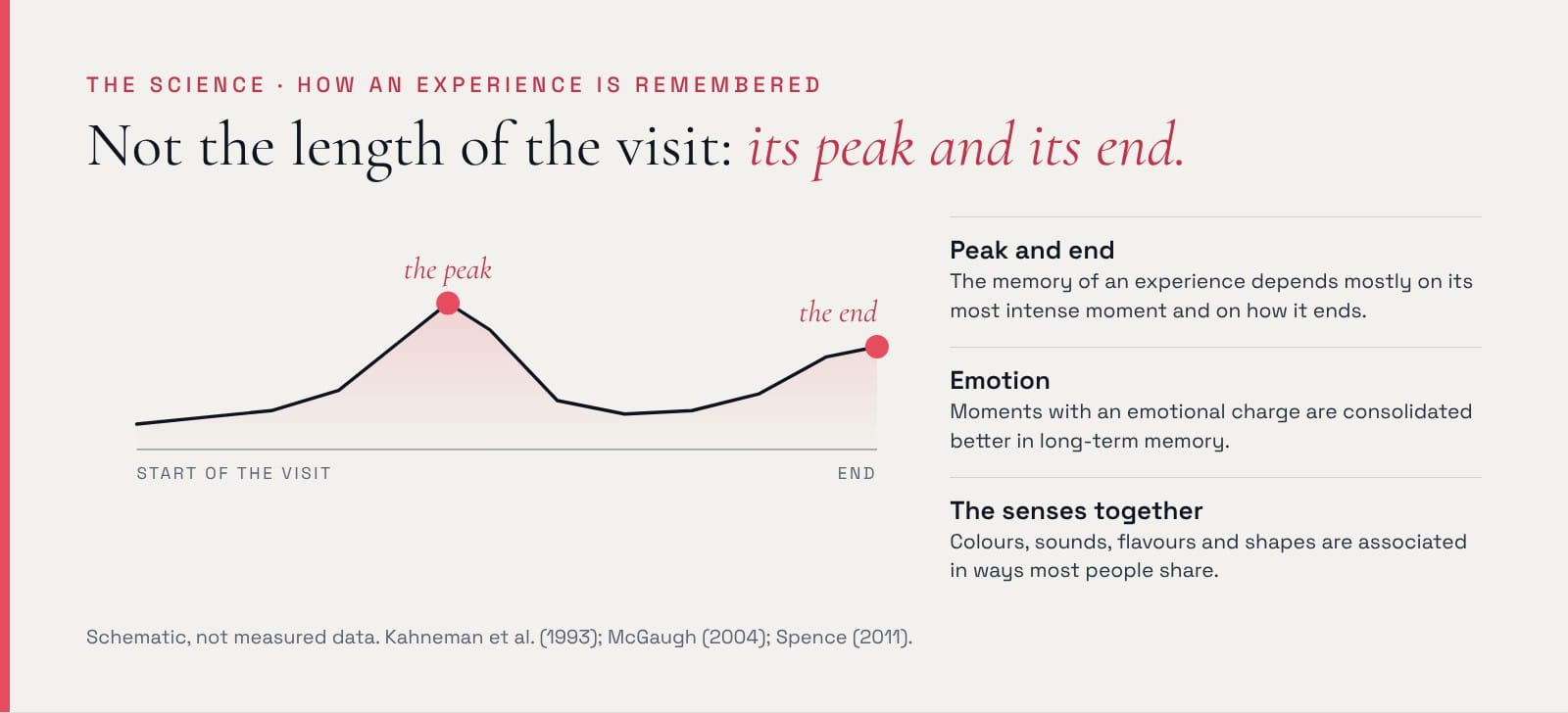
For a winery tour or a museum visit, this means that the design of a few moments matters more than the length of the programme. Synesthetic Design, the design method Siderius works with, uses these findings to decide which stimuli to place where, and with what meaning.
Who should attend
Businesses whose value lies in the experience they offer: places that host, show, pour or tell a story. The workshop is designed for owners and decision-makers who want to use technology to strengthen that experience, not to replace it.
Want to take part, or hear about the next events? Write to innovation@adsiderius.com.
Frequently asked questions
Do I need a technical background?
No. The workshop is about choosing technology, not building it.
Is it only for large venues?
No. The focus is on a few things done well, with the budgets small and medium businesses actually have.
Who organises it?
Umana Forma, within the project “Competenze per un turismo più accessibile, sostenibile e digitale”, PR Veneto FSE+ 2021–2027, co-funded by the European Union.
Event card. Event: Aumentare il territorio · Investire per valorizzare · Date: 26 October 2026 · Place: Villa Fabris, Thiene (VI) · Speakers: Youssef DaLima (Onymous Studios), Nicola Mosca (Cema Next), Ludovica Corponi (Siderius) · Organised with: Umana Forma · Programme: “Competenze per un turismo più accessibile, sostenibile e digitale”, PR Veneto FSE+ 2021–2027, co-funded by the European Union
A place is remembered for what people experience there. Information: innovation@adsiderius.com
Siderius S.r.l. Società Benefit · Via Roma 50, 36070 Trissino (VI), Italy · adsiderius.com
Sources and references
- Kahneman, D., Fredrickson, B. L., Schreiber, C. A., Redelmeier, D. A. (1993). When More Pain Is Preferred to Less: Adding a Better End. Psychological Science, 4(6), 401–405. doi.org/10.1111/j.1467-9280.1993.tb00589.x
- McGaugh, J. L. (2004). The amygdala modulates the consolidation of memories of emotionally arousing experiences. Annual Review of Neuroscience, 27, 1–28. doi.org/10.1146/annurev.neuro.27.070203.144157
- Spence, C. (2011). Crossmodal correspondences: A tutorial review. Attention, Perception, & Psychophysics, 73(4), 971–995. doi.org/10.3758/s13414-010-0073-7
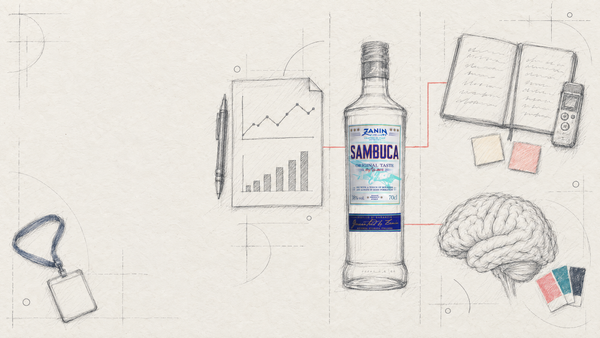
Questioning the mind: our workshop at A&T Vicenza
At A&T Vicenza, 27–29 October 2026, Siderius is at the IA Forum, Hall 6, with a workshop on designing the perception of a product with data and AI, and presents Packaging Compliance with Zanin 1895.
AI Strategy Lab: the first edition
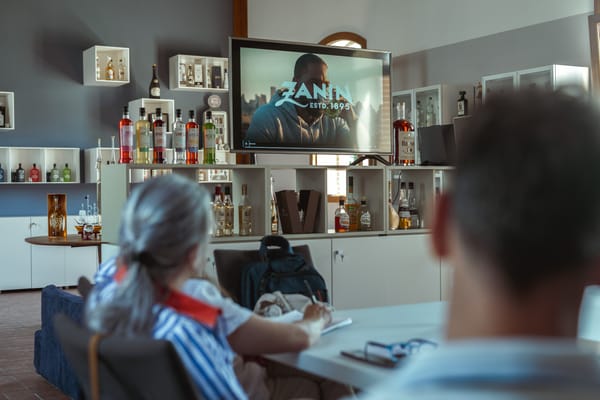
Two days, a real company case and a roadmap for adopting AI. How the first edition of AI Strategy Lab worked, hosted at Distilleria Zanin 1895 in May 2026, and how to apply for the next.